
Our Regenerative Farming Practices
At Enchanted Gardens Farm, everything we grow is rooted in living soil, healthy ecosystems, and respect for the land and animals in our care. Our approach blends traditional stewardship with regenerative practices that restore the soil, protect pollinators, and create a closed-loop system where nothing is wasted.
We farm with intention — not shortcuts.
Soil & Crop Stewardship
Minimal tilling
We disturb the soil as little as possible to protect its structure, retain carbon, and preserve the underground life that makes plants thrive.
Living mulches & organic matter
We use wood mulch, plant residues, compost, leaves, and natural inputs to feed the soil and retain moisture.
Composting & nutrient cycling
Animal bedding, garden waste, and organic materials are composted and returned to the land as natural fertilizer.
Diverse plantings
We grow a wide range of vegetables, flowers, herbs, cover crops, and forage plants to improve soil biology and reduce pest pressure.
Livestock as Land Stewards
Rotational pasture systems
Our chickens, ducks, geese, sheep, and goats are rotated through pasture to fertilize the land naturally, prevent overgrazing, and support plant regrowth.
Integrated crop–livestock system
Animals and crops work together — manure feeds the soil, forage feeds the animals, and waste becomes nutrients instead of trash.
Species-appropriate living
Our animals live outdoors with access to fresh air, sunlight, pasture, and space to move and forage.
Biodiversity & Pollinator Protection
No chemical sprays
We do not use synthetic pesticides, herbicides, or chemical fertilizers.
Beneficial insects & natural pest control
We rely on ladybugs, beneficial wasps, ducks, row covers, and habitat diversity instead of sprays.
Pollinator-friendly plantings
We intentionally grow flowering plants and forage areas for bees, butterflies, and native pollinators.
Closed-Loop, Low-Waste Farming
On-farm composting
Food scraps, bedding, leaves, and manure are returned to the soil.
Living soil focus
We build soil life with worm castings, compost, organic matter, and biological inputs instead of synthetic fertilizers.
Local, direct-to-consumer model
Our CSAs and farm sales reduce transportation, packaging, and food waste.
Our Commitment
Every practice on our farm is designed to:
Restore soil health
Protect pollinators
Improve animal welfare
Reduce environmental impact
Create resilient, nutrient-dense food for our community
This land is not a resource to be used up — it’s something we are building for the next generation.
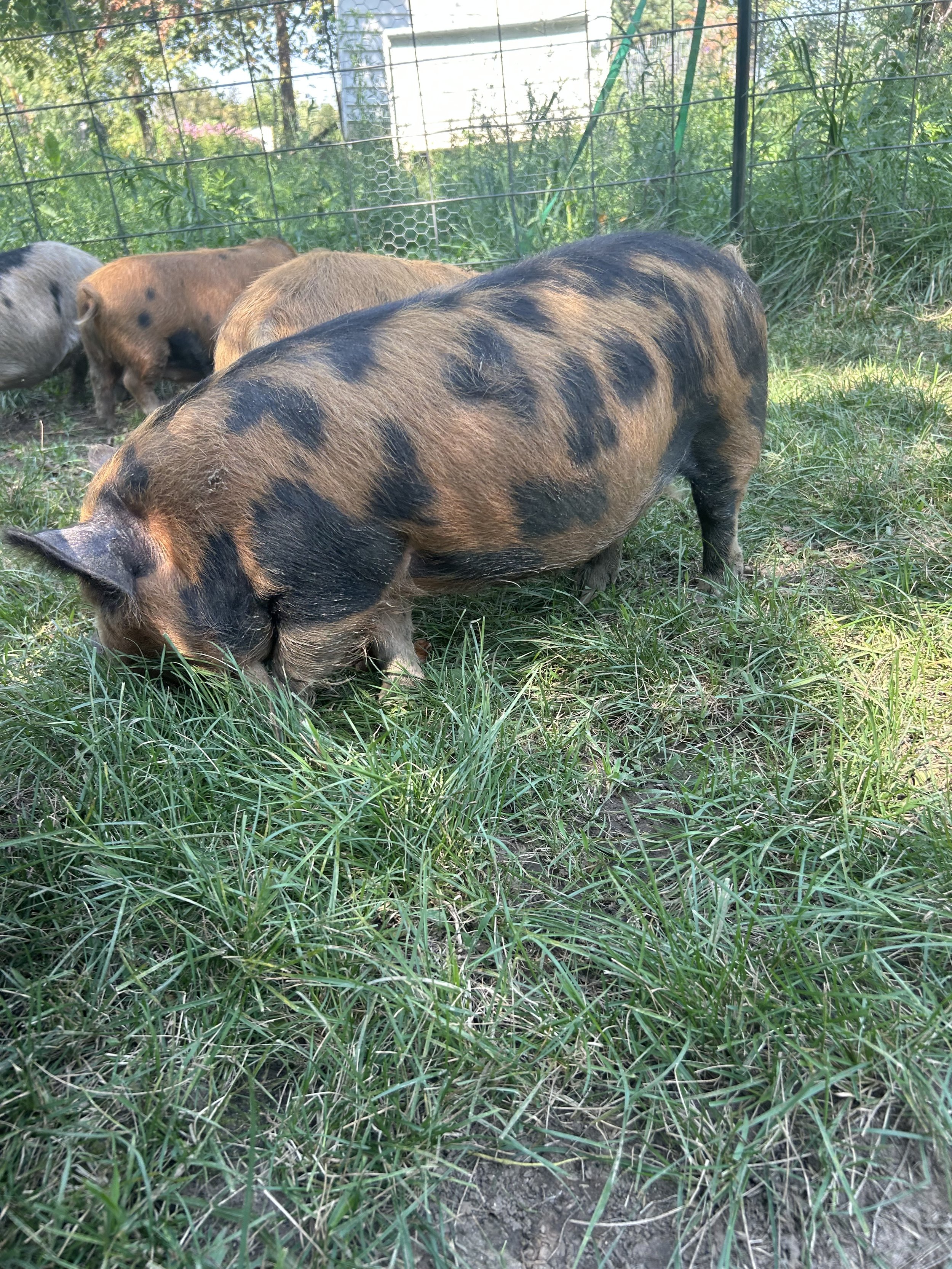
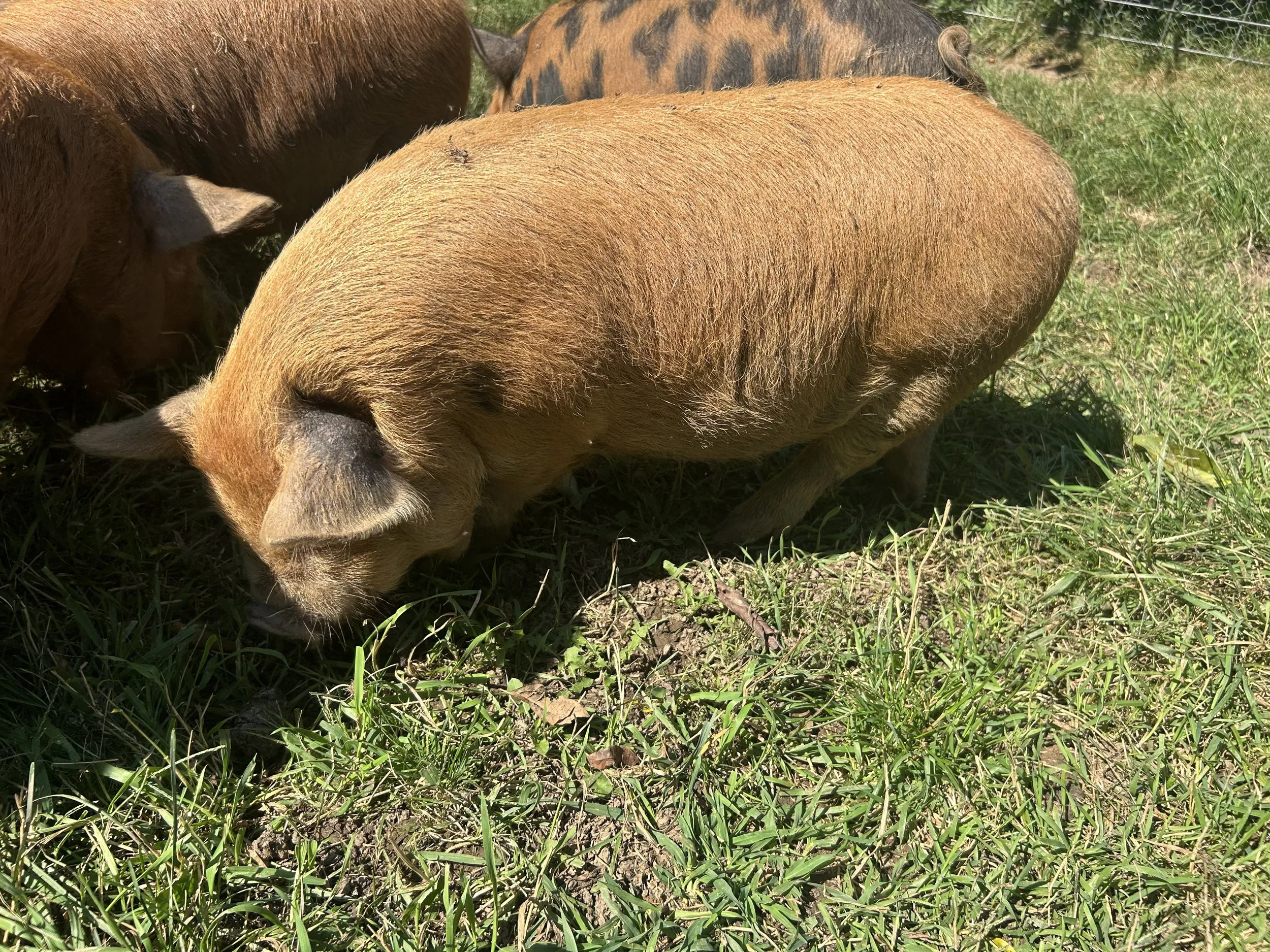
The Care & Feeding of Registered KuneKune Heritage Breed Pigs
The Kunekune pig (pronounced "Cooney Cooney") is a unique New Zealand breed developed by the indigenous Maori. Nearly extinct by the 1970s, conservation efforts saved them, and they are now cherished worldwide. In the U.S., they thrive in sustainable farming, permaculture, and the culinary world, valued for their gentle nature, land-friendly habits, and exceptional pork.
Why We Chose Kunekune Pigs
Our decision to raise Kunekune pigs is about more than producing exceptional pork — it reflects our belief that animals should live in ways that honor their natural behavior and place within the farm ecosystem. Kunekunes are known for their calm temperament, social nature, and ability to thrive on pasture. They’re curious, gentle, and seem to genuinely enjoy being part of the daily rhythm of the farm. Whether they’re grazing, napping in the grass, or wandering over to investigate, they bring a quiet joy to our work and remind us why we farm the way we do.
Vegetarian Diet
All pigs are fed a 100% vegetarian diet, consisting of grains, legumes, and other plant-based feeds. No animal by-products are included in the feed rations. Our hogs always have a grain source while they graze on pasture or a round bale in the winter.
Raised Without Routine Antibiotics
Pigs are raised without antibiotics from birth to harvest. If an animal becomes ill and requires antibiotics, it is treated accordingly and removed from the program.
No Physical Alteration
Our animals are raised in environments that support natural behaviors and eliminate the need for physical alterations.
Crate-Free
All pigs, including sows, are raised without the use of gestation or farrowing crates. Animals are housed in open environments that allow for freedom of movement and socialization.
When raised raised on pasture and allowed to forage naturally, KPPA Nutritional Data Testing shows Kunekune pork is shown to be higher in omega-3s and essential nutrients than conventional pork.
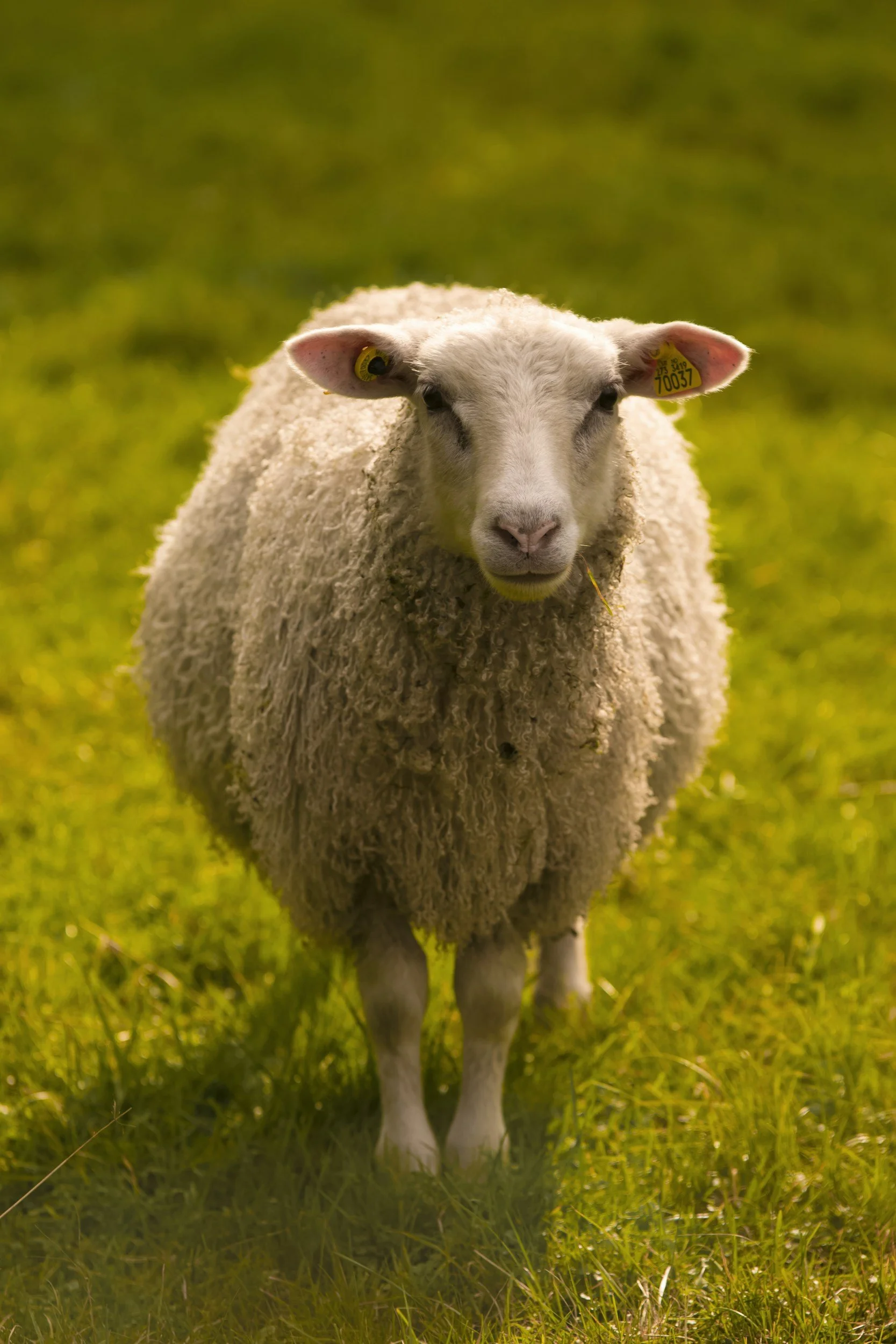
The Care & Breeding of Our Heritage Dairy Sheep
Our sheep are a carefully selected cross designed to balance milk production, hardiness, and size for regenerative, pasture-based farming in the Upper Midwest.
East Friesians are one of the world’s premier dairy sheep, known for their exceptional milk yield. However, pure East Friesians have struggled to adapt to U.S. climates due to disease sensitivity and environmental stress. To create a more resilient and sustainable animal, they have been thoughtfully crossbred with heritage breeds better suited to American pasture systems.
Our flock is backbred with registered Babydoll Southdown rams, producing sheep that retain strong dairy genetics while offering smaller stature, hardiness, and calm temperaments.
This combination allows us to raise sheep that thrive on pasture, integrate easily into our farm system, and support our long-term vision for regenerative dairy and fiber production.
Why We Chose This Cross
We wanted sheep that could:
Thrive outdoors in Minnesota’s climate
Produce rich milk for small-batch dairy
Stay manageable in size
Live calmly within a mixed-species farm system
By blending East Friesian dairy genetics with Babydoll Southdown hardiness, we’ve created animals that are productive, gentle, and well-suited to a regenerative farm environment.
Pasture-Based Nutrition
Our sheep live on pasture and eat a forage-based diet made up of fresh grasses, hay, and seasonal browse. They are not grain-fed as part of their regular diet. Our breeding ewes may receive small amounts of grain during tours or handling, but they are not part of our meat program.
Raised Without Routine Antibiotics
Our sheep are raised without the routine use of antibiotics. If an animal ever needs medical treatment, it is provided immediately, and that animal is removed from this program.
Humane, Low-Stress Care
Our sheep have access to shelter, clean water, shade, and open pasture. They are able to move freely, socialize naturally, and express normal behaviors.
We do not perform painful physical procedures such as tail docking or mulesing.
The Care & Breeding of Our Pasture-Raised Chickens
Our chickens are raised as part of a living farm ecosystem, where they play an important role in soil health, pest control, and nutrient cycling. Rather than confinement housing, our flock is rotated across pasture so they can scratch, forage, and fertilize the land naturally.
We raise a mixed heritage and production flock selected for strong laying ability, cold hardiness, and calm temperaments — well suited to outdoor life in Minnesota’s changing seasons.
This allows us to produce eggs year-round while maintaining animal welfare, soil health, and ecological balance.
Why We Raise Chickens This Way
We chose a pasture-based system because it:
Supports healthier birds
Improves soil fertility
Reduces pest pressure naturally
Produces richer, more flavorful eggs
Our chickens are not just egg layers — they are active partners in our regenerative system.
Pasture-Based Living
Our chickens live outdoors on rotating pasture with access to fresh grass, insects, and natural forage. They are moved regularly to prevent overgrazing and to spread nutrients across the land.
They always have access to clean water, shelter, shade, and protection from the elements.
Feed Without Soy
In addition to forage, our chickens receive a carefully selected soy-free feed. This supports healthy digestion and results in rich, orange yolks and firm whites.
Raised Without Routine Antibiotics
Our flock is raised without the routine use of antibiotics. If a bird requires treatment for health or welfare, it is cared for appropriately and removed from our egg program.
Humane, Natural Behaviors
Our chickens are free to:
Scratch and dust bathe
Forage and explore
Roost and socialize naturally
They are never confined to cages or industrial housing systems.
The Care & Breeding of Our Dairy Goats
Our dairy goats are raised as part of our closed-loop, regenerative farm system, where animals and land support one another. They help build soil fertility, provide nutrient-rich milk, and support small-batch dairy made right here on the farm.
We raise Nubian and Nigerian Dwarf goats, two complementary dairy breeds chosen for both milk volume and milk quality. Nubians are known for their rich, abundant milk, while Nigerian Dwarfs produce exceptionally high butterfat. Together, they create a beautifully balanced milk that is ideal for cheesemaking and fresh dairy products.
Why We Chose Nubians & Nigerian Dwarfs
We selected this pairing because it allows us to:
Combine high milk yield with high butterfat
Produce creamy, flavorful milk for cheese and fresh dairy
Maintain smaller, manageable herd sizes
Raise goats well-suited for pasture and Minnesota’s climate
This balance supports both animal well-being and high-quality, farmstead dairy.
Pasture-Based Nutrition
Our goats rotate through pasture and browse on grasses, weeds, and shrubs. They are supported with high-quality hay, loose minerals, and clean water. Grain is used only when needed to support health, lactation, or body condition.
Raised Without Routine Antibiotics
Our goats are raised without the routine use of antibiotics. If an animal requires medical treatment, it is cared for immediately and removed from the dairy program.
Humane, Low-Stress Care
Our goats live in social herds with space to move, climb, and explore. They are handled calmly and respectfully, with access to shelter, fresh bedding, shade, and outdoor living.
They are allowed to express natural behaviors and are never confined to industrial systems.